By Ivan Kwok | 06 January 2026 | 0 Comments
From Steadicam to Phone Gimbals: 50 Years of Stabilization—and Why We’re Back to the Same Old Proble
If you shoot video long enough, one night you’ll get hit by the same thought:
“I can keep it stable… but I can’t keep it up for long.”
(Insert image)
Image stability has never been just a technical problem.
It’s a long tug-of-war between physical endurance, budget, efficiency, and aesthetics—all at once.
Over the last 50 years, the “main character” has changed again and again: Steadicam, motorized 3-axis gimbals, hybrid systems, phone gimbals, pocket gimbals… Each era promised the same thing: “more stable, lighter, faster.”

And yet, we keep answering the same question:
How do we help operators work with less strain, finish faster, and make shots feel more cinematic?
1) The First Star: Steadicam—Making Cinema “Walk” for the First Time
In the 1970s, moving shots largely relied on dolly tracks, cranes, and camera carts. They were stable—but not agile, and they took time to set up. Then Steadicam arrived.
A vest distributed load across the body, a spring arm isolated vertical movement, and the sled’s inertia let the image “float.” The camera was finally freed from the rails. It could move like an actor: down hallways, around corners, up stairs, right into a face.
The key wasn’t just “stabilization.” It was isolation—minimizing how much the operator’s movement contaminates the frame. That’s why Steadicam became a cornerstone of long-take language on film sets.
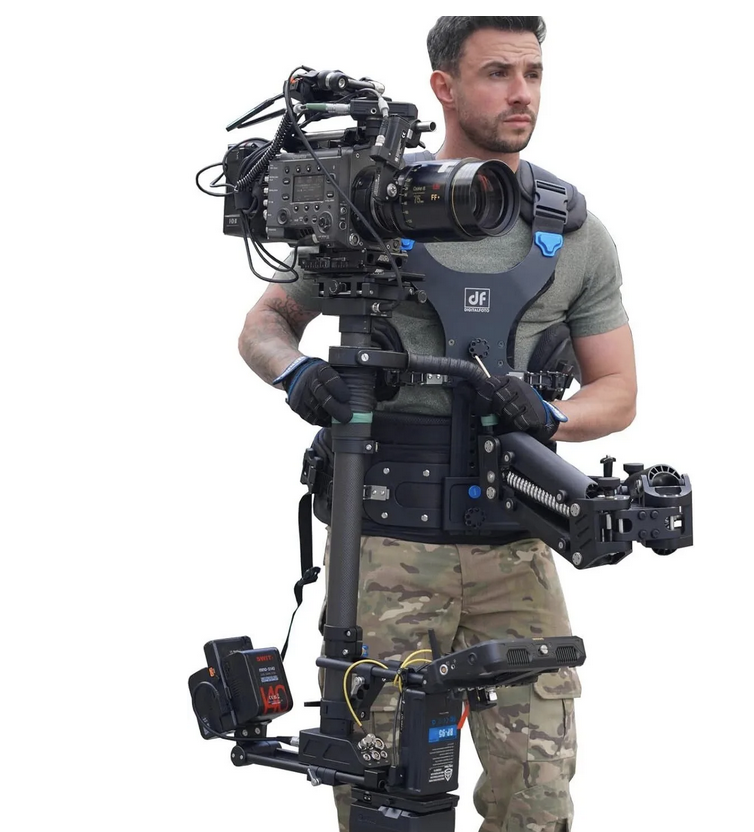
But it also created an invisible gate: Steadicam isn’t “buy it and you’re good.”
It demands practice, tuning, stamina, and experience.
2) The Second Star: 3-Axis Gimbals “Came Down from the Sky” and Took Part of the Market
Fast-forward to the 2010s. Another stabilization path matured rapidly—in the sky—through drones.
Drones stabilized footage using IMUs + brushless motors + closed-loop control. And people asked: if it works so well in the air, what happens if we bring it to the ground?
Around 2013, FREEFLY’s MoVI pushed motorized 3-axis stabilization into cinema workflows. Soon after, DJI brought its drone know-how to the ground. The early Ronin line helped make pro gimbals mainstream.
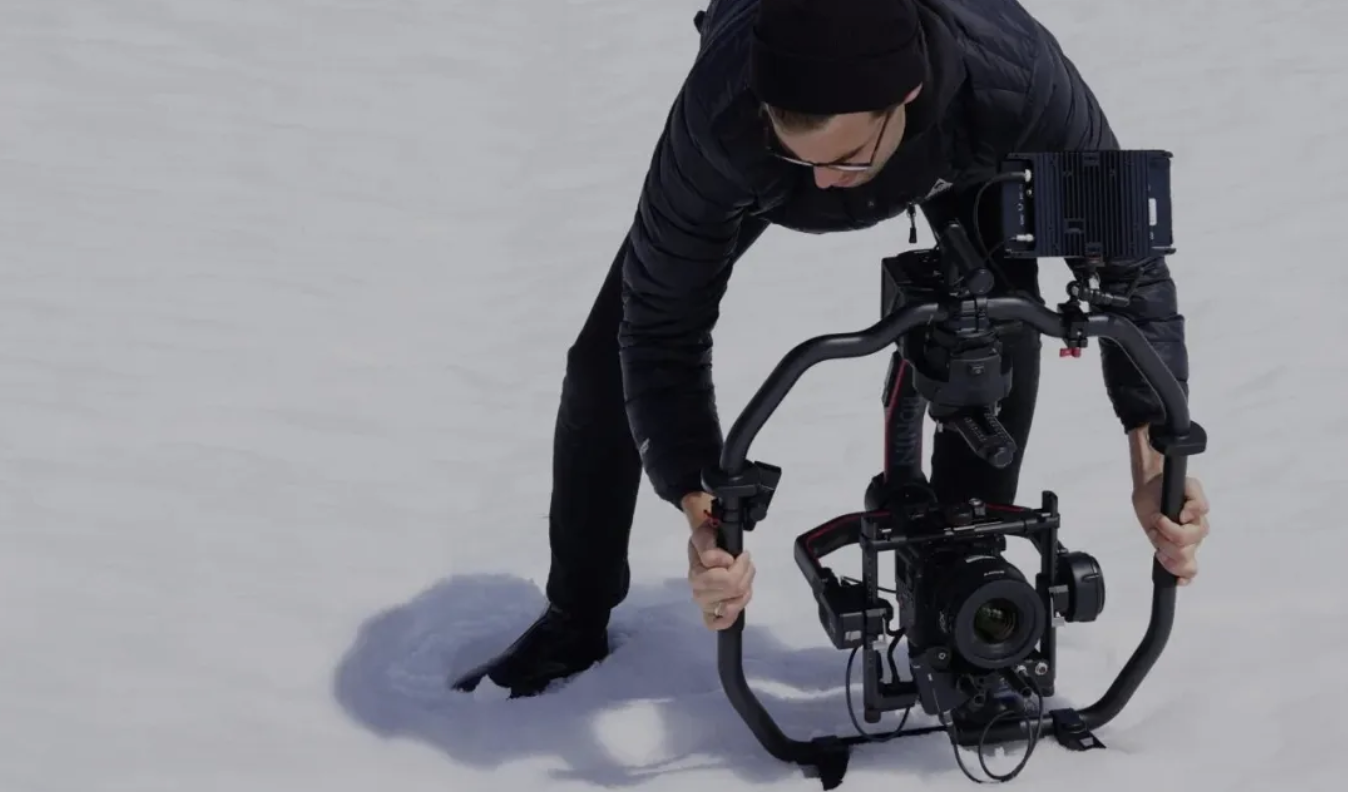
Many commercial crews realized something important: gimbals could make footage look stable faster—especially for tasks Steadicam takes time to master: horizon control, pan/tilt return-to-center, follow modes, and repeatable moves. Algorithms did a lot of the work.
So yes—part of Steadicam’s market was taken:
-
weddings & events
-
corporate promos / fast turnaround content
-
ads, BTS, small crews on delivery schedules
Because gimbals made “stable-looking footage” far easier to achieve.
3) Why Steadicam Didn’t Disappear: Because the “Stable” Is Different
If the story ended there, Steadicam would be in a museum. But it isn’t.
For a professional reason:
Steadicam stability and gimbal stability feel different on screen.
-
A gimbal is active correction—motors constantly pull the frame back to a defined center.
-
Steadicam is inertial isolation—the image naturally floats and transitions smoothly.
That’s why, for narrative work, character following, and long takes, many operators still love the Steadicam “taste”:
-
a more organic floating feel
-
movement that feels like a human traveling through space—not a machine “locking” a frame
-
stronger physical isolation of vertical motion—thanks to the spring arm’s Z-axis behavior
Meanwhile, gimbals have a long-standing pain point that’s hard to fully eliminate: vertical bounce. Walking, stairs, small running moves—Z-axis bob often survives even perfect IMU control. That’s part of why Steadicam wasn’t fully replaced; it shifted toward more specialized, “taste-driven” scenarios.
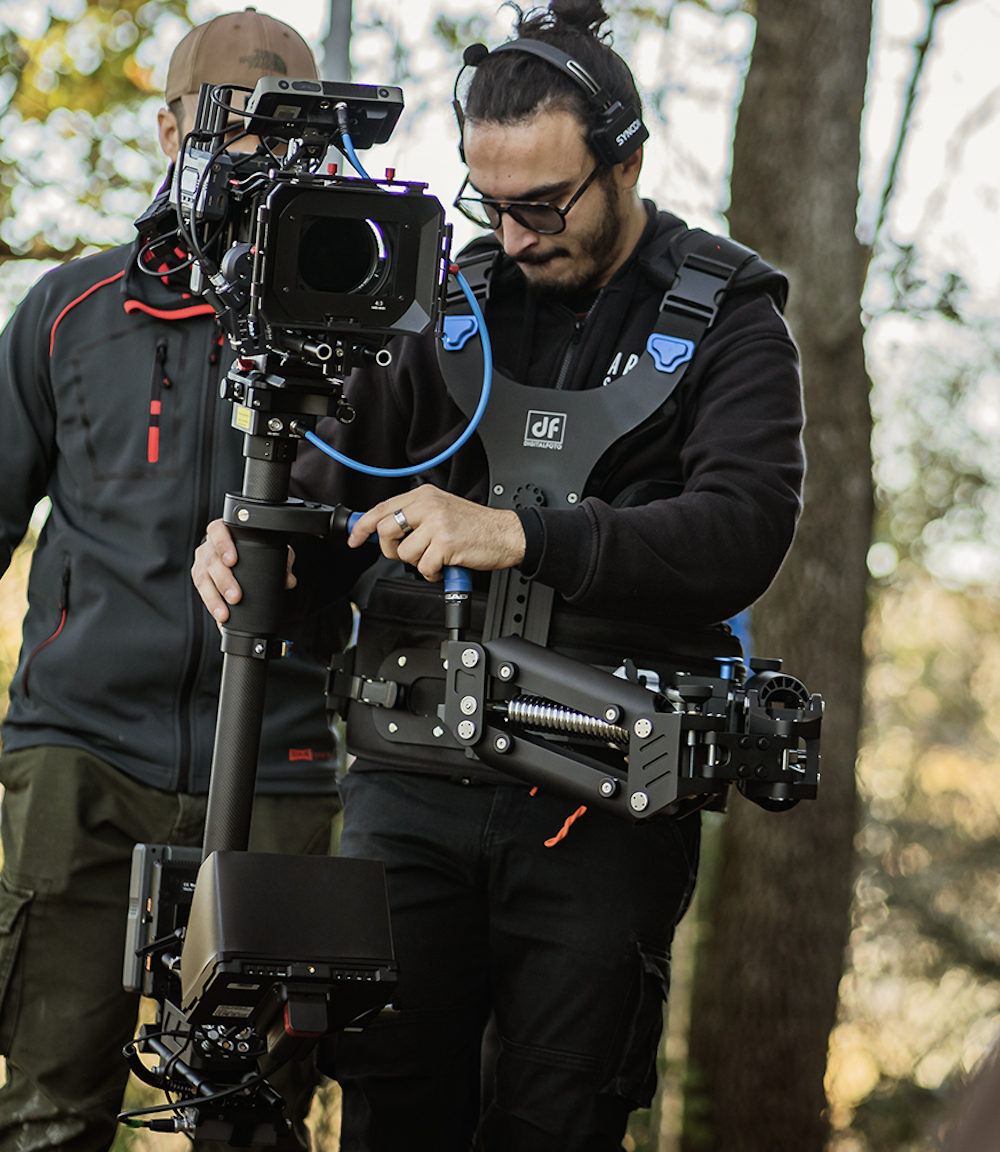
4) The Price of Cinema-Grade 3-Axis: Ronin 2 Is Powerful—But It’s Heavy
As gimbals evolved from mirrorless payloads to cinema payloads, the next star appeared: large, cinema-grade 3-axis rigs.
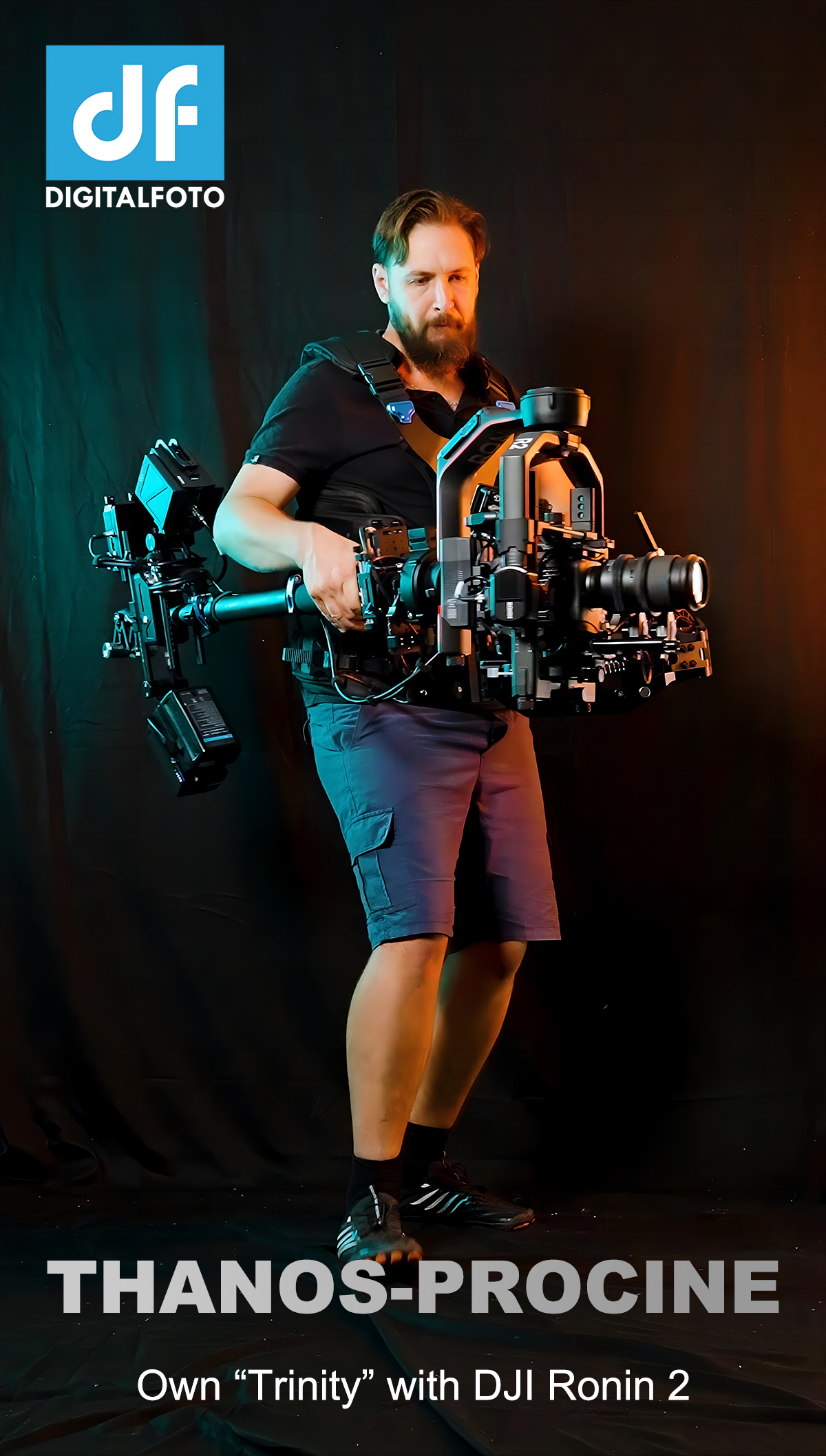
Take Ronin 2 as a typical example: ~13.6 kg rated payload, and the gimbal itself is around 5 kg (with handles, you’re quickly near 6.4 kg).
Here’s the irony: the more “cinema-capable” gimbals became, the heavier they became. You can handhold for a bit—but for a full day, your arms lose first.
That’s why sets commonly pair them with support systems like Easyrig or Ready Rig, transferring load to the body’s structure.
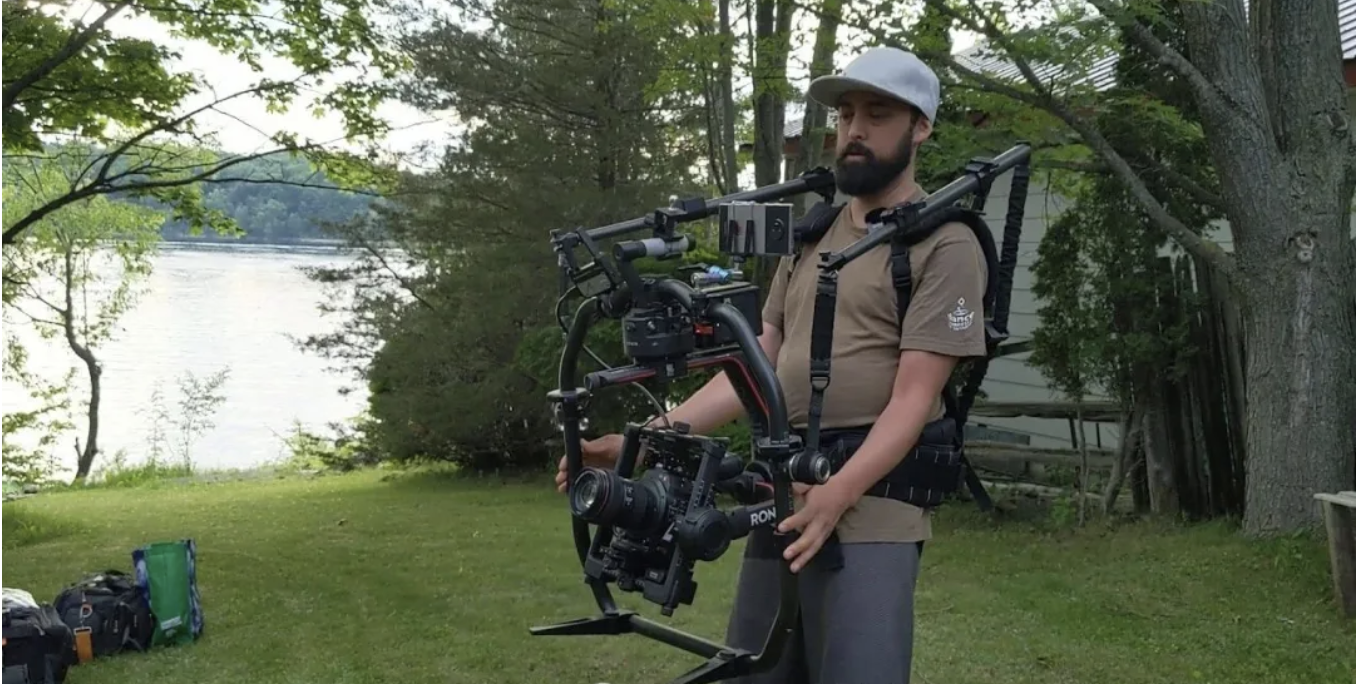
It’s a loop: high-end 3-axis gimbals didn’t eliminate support systems—they simply changed the form of support.
5) ARRI TRINITY: Trying to Combine Steadicam “Taste” with Gimbal “Control”
ARRI put the question on the table: Can we have it all?
-
Steadicam’s mechanical isolation and spatial float
-
plus electronic precision and controllability
TRINITY is positioned as a hybrid system—combining mechanical stabilization with electronic stabilization to enable more complex motion possibilities. It aims to solve the core trade-off professionals wrestle with:
-
Steadicam looks beautiful, but it’s demanding
-
gimbals are controllable, but they can look “electronic”
TRINITY tries to fuse “beautiful” and “controllable.” But the barrier is still high: price, learning curve, ecosystem, and team workflow.
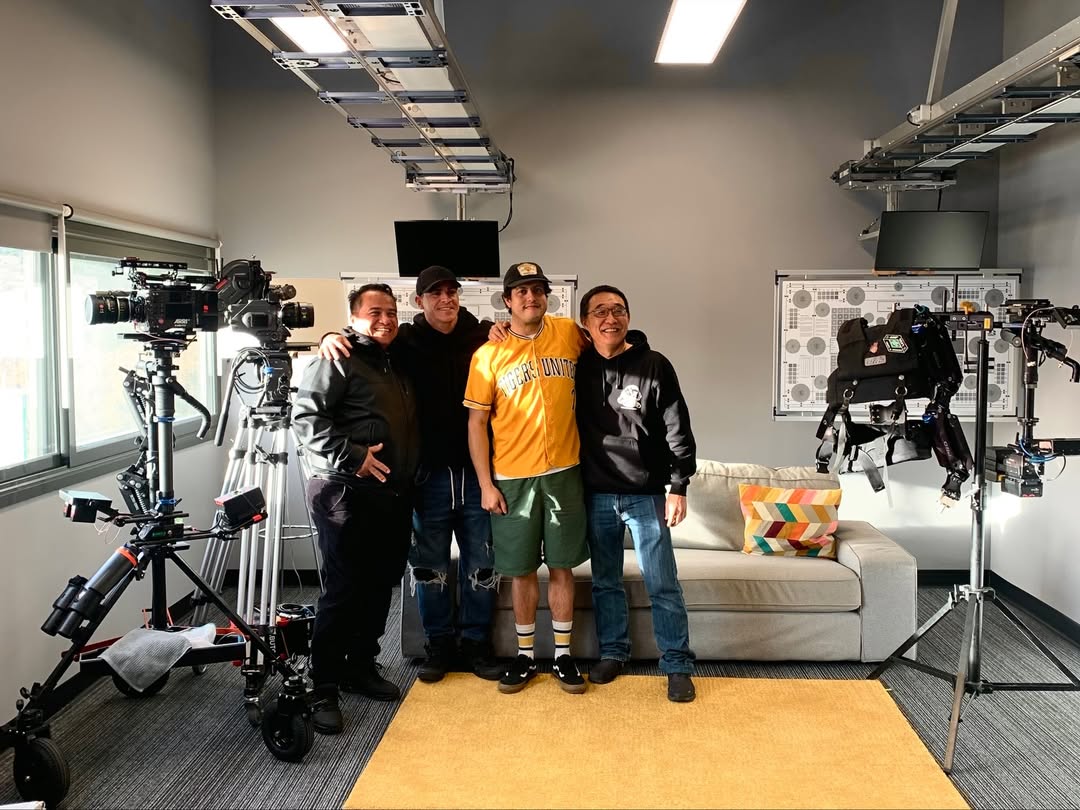
So a “budget Trinity” approach emerged in the field: Steadicam vest + arm + Ronin 2 / RS series, building a similar outcome using gear crews already own.
6) After 2018: One-Handed Gimbals Made Solo Shooting Mainstream
A major turning point hit around 2018. After DJI Ronin-S, 3-axis gimbals moved from set-only tools into the broader mirrorless creator market.
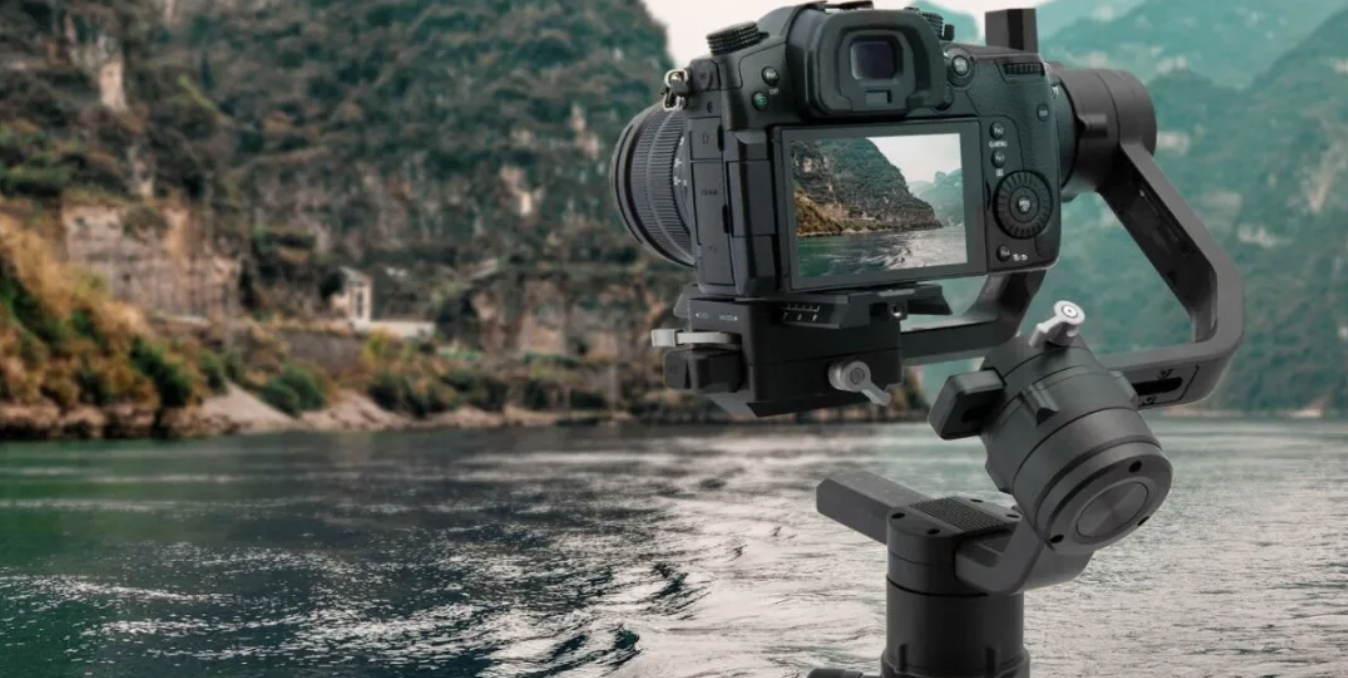
Meanwhile, single-handed gimbals like Zhiyun’s Crane line grew quickly. For mid-to-low budget teams, this was a productivity revolution:
-
low learning curve
-
one person can deliver more stabilized shots
-
far more affordable than traditional Steadicam rigs
Result? Traditional I-shaped handheld mechanical stabilizers (e.g., Tiffen/Glidecam-style inertia stabilizers) were disrupted in many commercial scenarios—not because they were bad, but because one-handed gimbals delivered “stable” faster and cheaper.


7) App Integration: Stabilizers Became “Smart Shooting Systems”
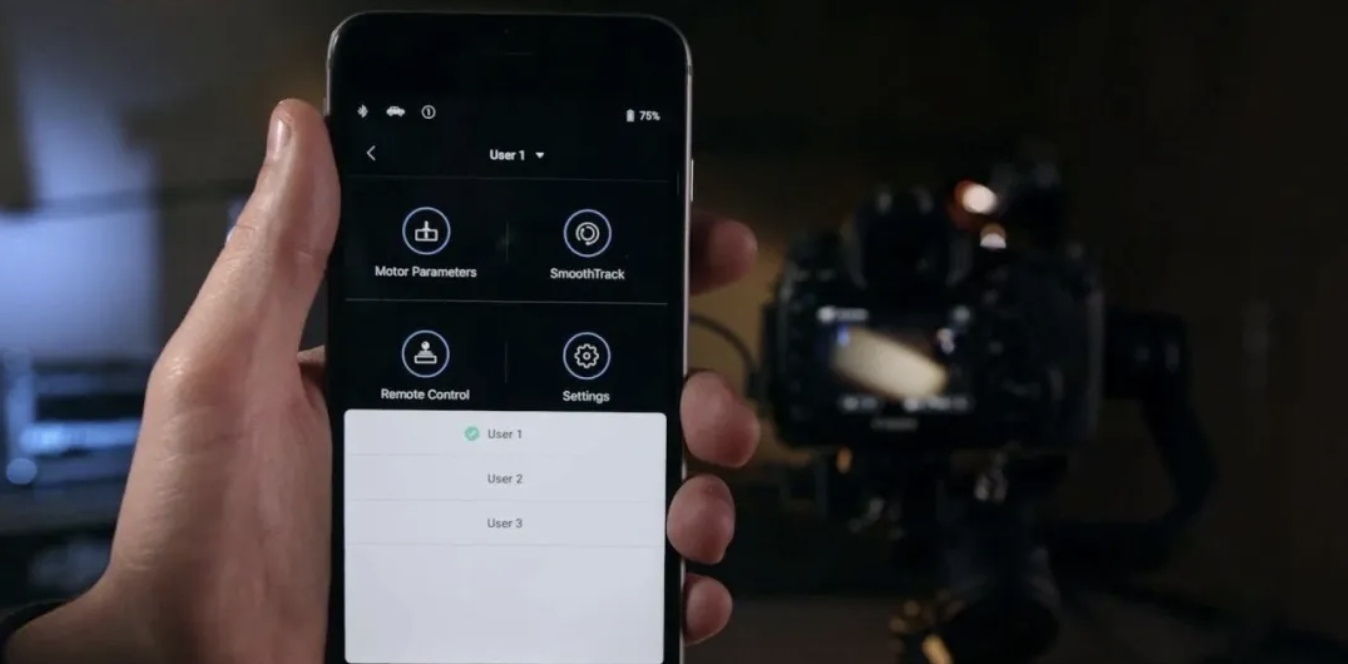
Once gimbals entered solo workflows, hardware became the foundation—software became the differentiator.
Parameters, follow curves, calibration, mode switching—gimbals started behaving like programmable devices. Stabilizers no longer just “stabilized.” They began to guide creators on how to shoot, track, and output results.
8) Short-Form Video Explosion: Phone Gimbals, Pocket Gimbals, Action Cams, 360 Cams All Boomed
As short-form became the main battlefield globally, the dominant demand became: light, fast, stable, publishable.
-
Phone gimbals turned smartphones into “always-with-you” stabilized cameras
-
Pocket gimbals freed creators from complex setup
-
Action cams and 360 cams exploded for the same reason: instant capture, quick turnaround


9) Back to Today: The Two Real Pain Points of RS4 / RS4 Pro-Class One-Handed Gimbals
For solo shooters and small crews, RS4 / RS4 Pro-class gimbals are powerful—but users often get stuck on two real issues:
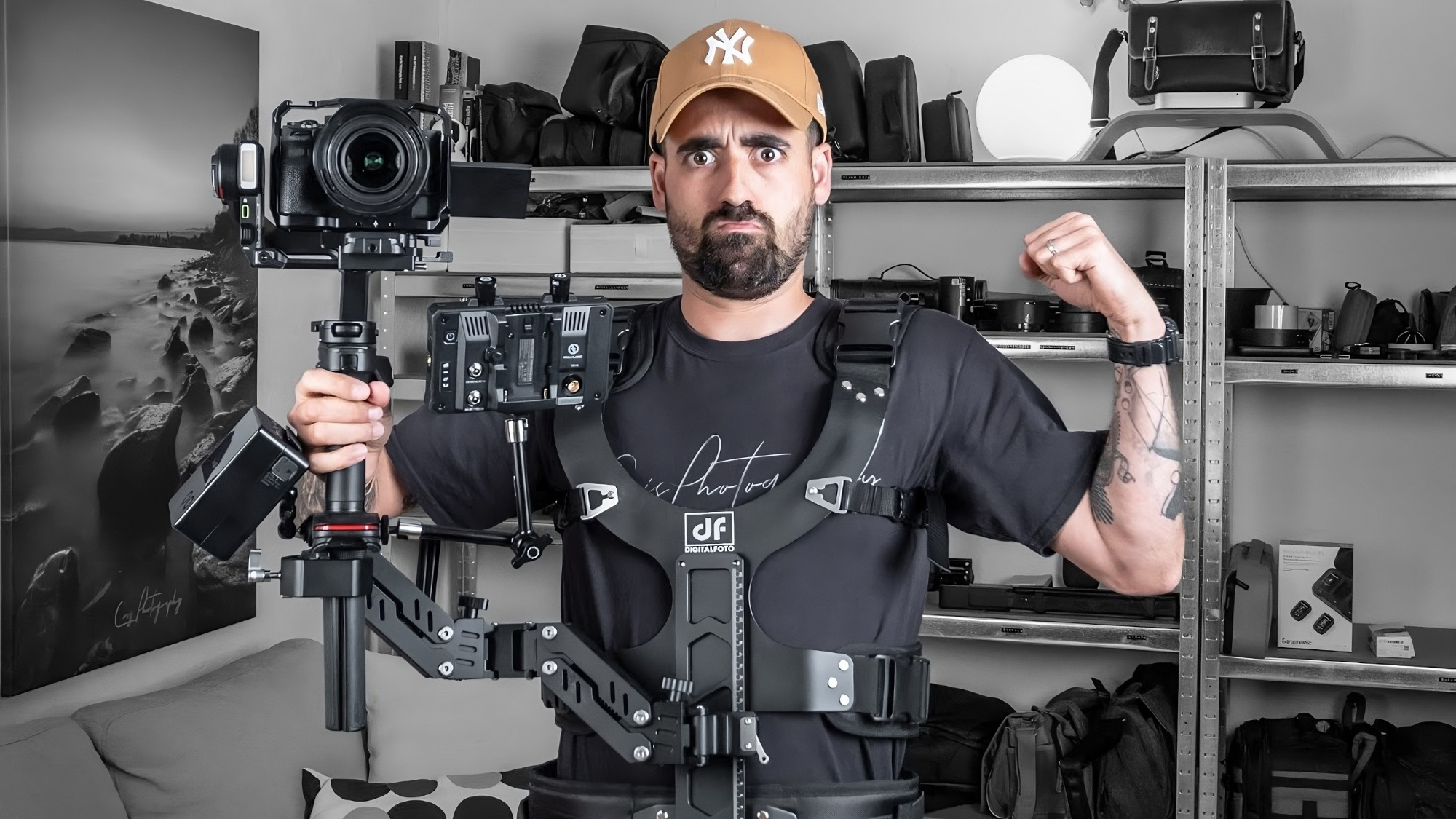
Pain Point #1: Arm fatigue comes too fast — “Stable, but not sustainable”
One-handed gimbals concentrate weight and control on one arm. As rigs grow (monitor, wireless video, mic, light), fatigue arrives faster.
Solution direction: offload the weight to the body’s structure.
That’s what THANOS-SE is designed for: transferring load from arm to torso, improving long-duration operation while addressing practical movement issues like Z-axis bounce.
Link: https://digitalfoto.cn/thanos-se-p00520p1.html
Pain Point #2: Not enough mounting real estate — monitor/light/mic/wireless have nowhere to live
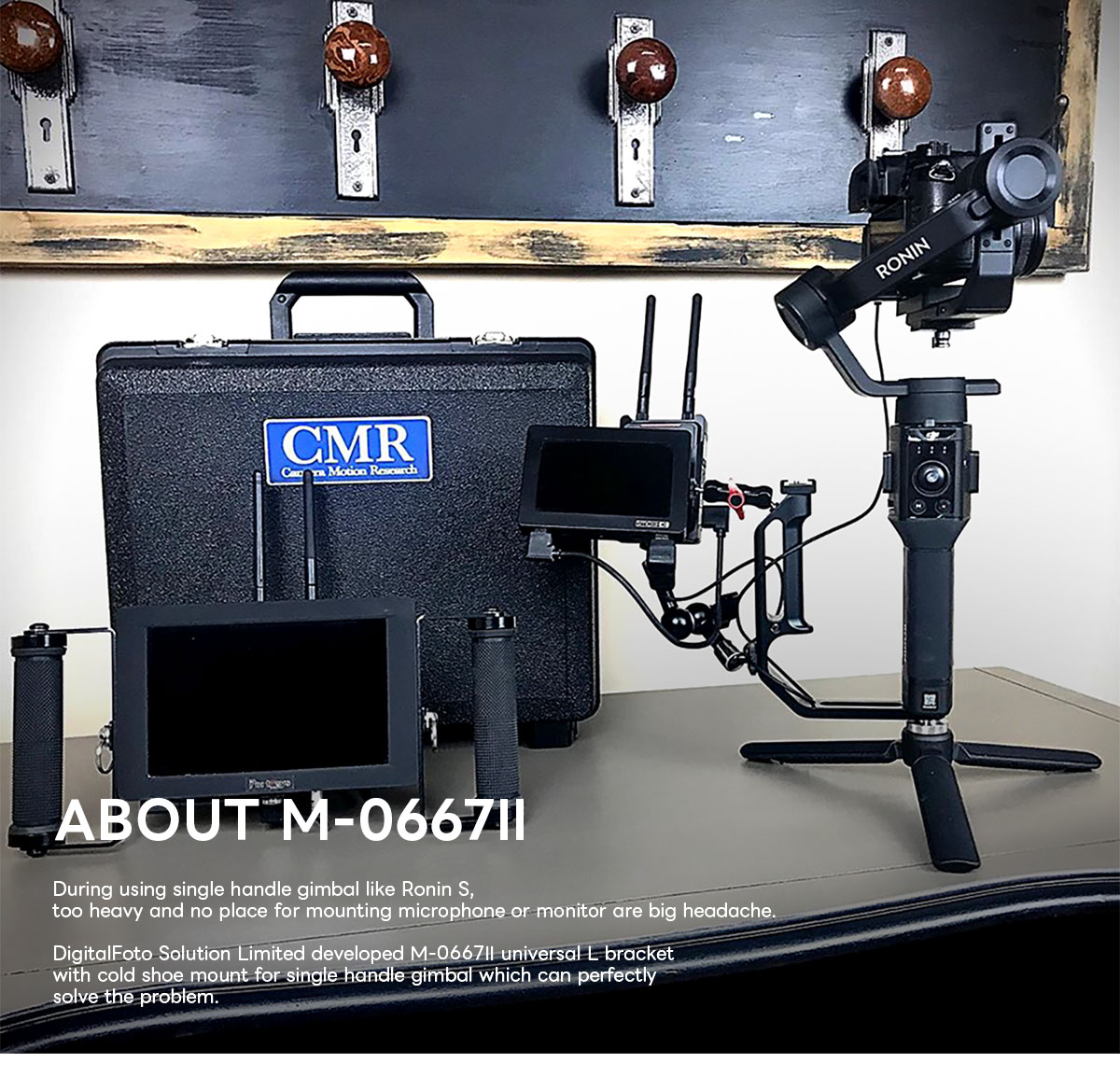
Most one-handed gimbals were not designed for heavy expansion. Users end up stacking clamps, cold shoes, adapters—eventually creating cable hell + balance hell.
Solution direction: organize the workflow with a dedicated expansion frame.
M-0667II provides multiple cold shoes, 1/4" and 3/8" threads, and ARRI anti-twist locating—built as a “solo shooter’s expansion necessity.”
Link: https://digitalfoto.cn/m-0667ii-p00229p1.html
Bonus Pain Point: Vertical bounce is hard to erase — “Walking looks like breathing”
Even if the gimbal’s attitude is perfect, Z-axis bob from footsteps often remains. This is where Steadicam’s vest + arm still shines: it physically isolates Z-axis movement.
Solution direction: add Z-axis suspension to a gimbal setup.
ARES-SE follows the “spring-based vertical isolation” idea—helping a gimbal behave closer to a 4-axis experience for walking shots.
Link: https://digitalfoto.cn/ares-se-p01502p1.html


Another key piece: two-hand control + more space to mount gear
One-handed control is inherently asymmetrical. Many operators want two-hand handling for stability and mounting space.
RING-RS2 provides a ring grip form factor: more balanced load distribution, steadier control, and more structural space to mount accessories.
Link: https://digitalfoto.cn/ring-rs2-p00515p1.html
10) The Future Isn’t “Who’s More Stable”—It’s “Who Helps You Shoot Longer, Faster, More Cinematic”
Look back at these 50 years and the storyline is clear:
-
Steadicam solved cinematic moving shots
-
3-axis gimbals lowered the learning curve of “stable”
-
cinema-grade gimbals improved control—but brought us back to load support
-
TRINITY tried to blend “taste” and “control”
-
one-handed gimbals gave solo teams unprecedented value
-
phone/pocket/action/360 boomed in the short-form era
And today, RS4 / RS4 Pro user realities prove a key shift:
Stabilization is moving from a “spec race” to a “workflow + ergonomics race.”
If you’re a solo shooter or a small team, the smartest investment isn’t just the gimbal—it’s the complete system that lets you output consistently without burning out:
offload + expansion + vertical bounce control.
That’s exactly why products like THANOS-SE, ARES-SE, RING-RS2, and M-0667II exist:
to help you stay stable longer, build faster, and shoot with a more cinematic result.

11) Future Outlook: How Will AI Impact the Camera Gear Industry?
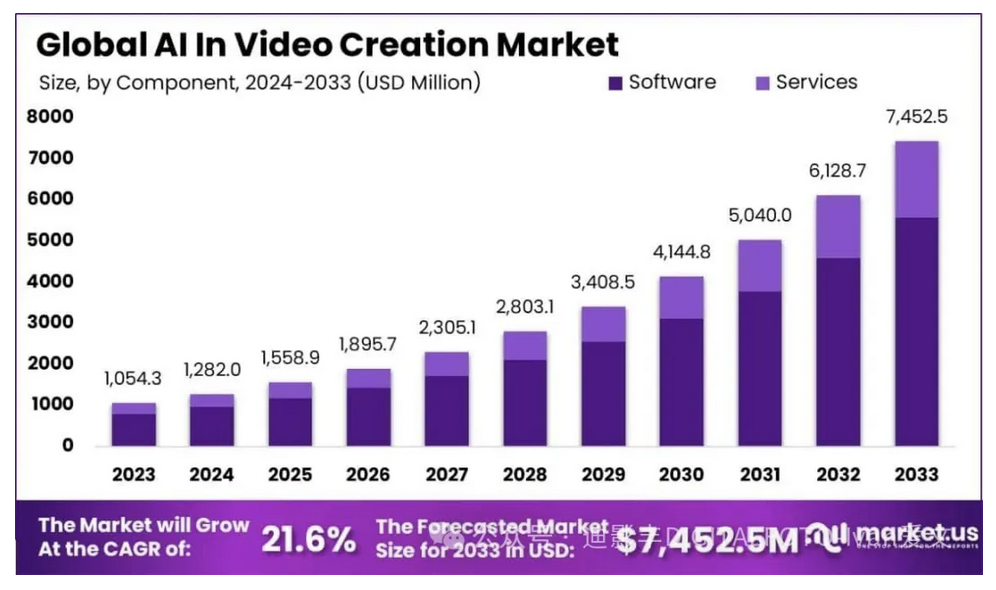
AI will impact the industry massively—but it won’t “kill hardware.”
It will resemble the last decade of stabilization evolution: hardware remains, but value shifts from “specs” to:
workflow + intelligent collaboration + repeatable results.
1) What will AI disrupt first?

The stabilization lesson is: when tech automates the “hard parts,” it replaces what people bought mainly to save time and labor.
AI will first reshape:
-
high-volume commercial content: e-commerce visuals, fast short-form editing, basic product videos, talking-head packaging
-
repeatable standardized shooting: fixed angles, template moves, batch production
-
gear that sold “cinematic look” as a differentiator—because AI can reconstruct motion, grading, stabilization, frame interpolation
This doesn’t erase professional work—but it makes baseline delivery cheaper, faster, and more competitive.
2) Why AI won’t fully replace camera gear
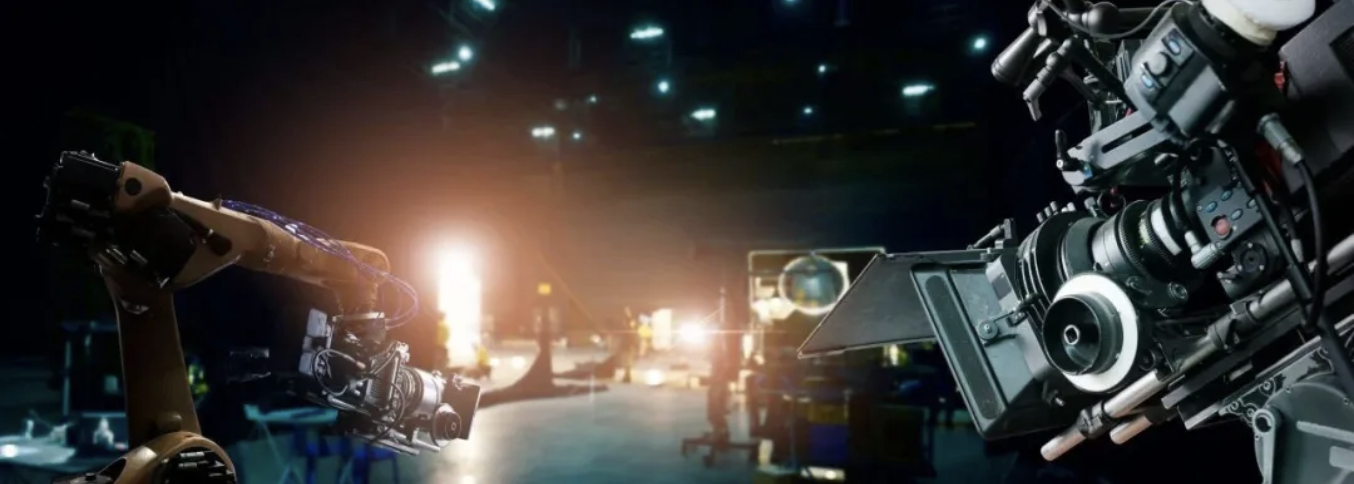
Just as gimbals didn’t kill Steadicam: real-world production is physical constraints + variables + emotional intent—not purely an algorithm.
AI struggles to replace:
-
physical control of light and space
-
live performance and improvisation
-
shot language decisions (when to be stable, when to drift, when to shake)
-
reliability under client pressure (“it must work every time”)
Hardware won’t vanish—it will become more like peripherals to intelligent systems.
3) How the industry may evolve (four stages)
Stage A: AI in post
auto stabilization, denoise, upscaling, color, keying → midrange spec advantages get flattened
Stage B: AI in capture (real-time)
subject prediction, proactive compensation, auto lighting strategy, multi-cam alignment, instant preview deliverables
Stage C: AI reshapes hardware forms
multi-sensor “camera systems,” hybrid mechanical + algorithmic stabilization (Trinity-like ideas trickle down),
Stage D: production becomes systemized
brands sell not single tools but repeatable workflows: templates + presets + gear bundles + cloud collaboration + automated delivery
Because many people buy stabilization today not to be “more stable,” but to finish the job faster.
4) New winners in an AI era
Winner type #1: the “default workflow” brand
Customers ask less about specs and more about:
“For interviews / e-commerce / events / docs—what’s the easiest reliable setup?”
Whoever provides the default answer wins.
Winner type #2: the “physical reality” brand
AI can stabilize frames—but your arm still gets tired.
AI can grade color—but reflections still require physical lighting control.
So offload, quick-release, expansion, power, wireless, cable management become even more valuable.

5) Physical problems AI still won’t solve easily
-
long-duration fatigue → offload systems like THANOS-SE
-
mounting space & rig organization → workflow frames like M-0667II
-
vertical bounce from footsteps → mechanical Z-axis absorption like ARES-SE
-
balanced two-hand control + mounting structure → ring grips like RING-RS2
In short:
AI will software-ize “image quality,” but hardware-ize “shooting sustainability.”
6) Three likely breakout directions (bold predictions)
-
lighter, cheaper “AI + mechanical hybrid stabilization” (Trinity ideas trickle down)
-
standardized modular ecosystems (power/video/control) with unified quick-release protocols
-
“one-click repeatability” systems for commercial production (complete shot packages)
Conclusion: AI Will Make “Beauty” More Accessible—and “Reliable Delivery” More Precious
AI will make aesthetics more common, but make consistent, reliable delivery rarer.
The future competition won’t be “who’s stronger,” but:
-
who gives operators more predictability
-
who accelerates delivery through workflow
-
who maintains compatibility across systems
That’s the hidden law of stabilization history:
From Steadicam to gimbals to hybrids, the final goal was never “more stable”—
it was always more usable, more sustainable, and more finishable.

How do you think AI will reshape filmmaking gear?
Share your thoughts.
Leave a Reply
Your email address will not be published.Required fields are marked. *